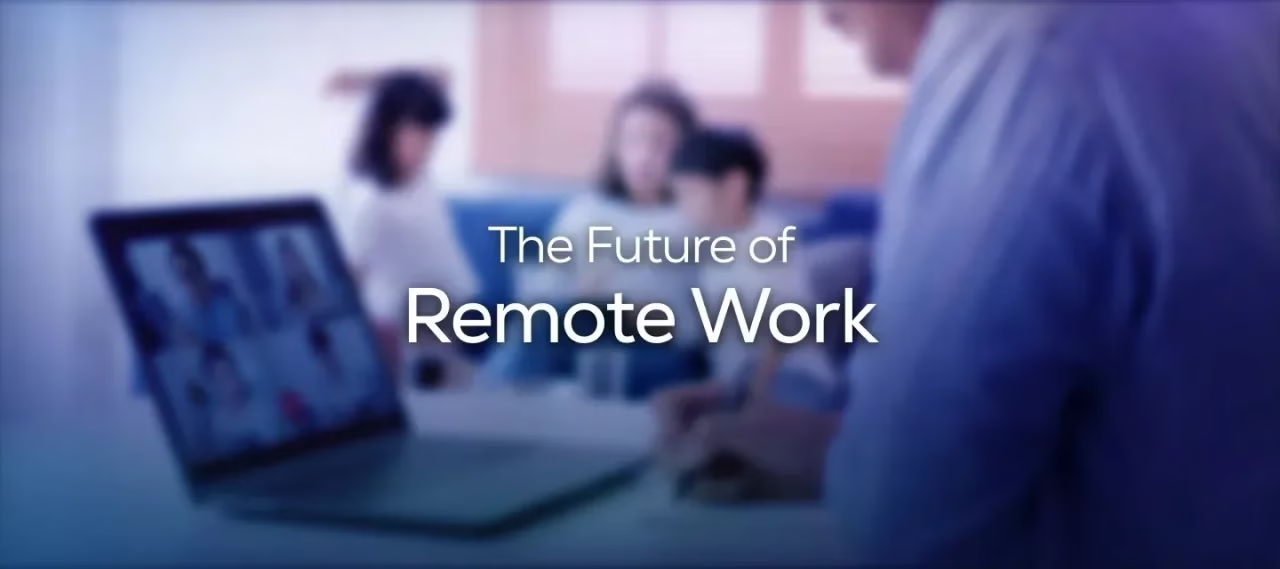
The Future of Remote Work in 2025: Trends Every Professional Should Know
Remote work is no longer just an emergency response to global events — it’s the new standard of work for millions of professionals worldwide. By 2025, companies have adopted new models, technologies, and cultures to optimize productivity and collaboration outside the traditional office.
But what exactly does remote work look like in 2025? In this post, we’ll explore the most important trends every professional should know — from hybrid workplace models to AI-powered productivity tools.
1. The Rise of Hybrid Work as the Default
Hybrid work — a mix of remote and in-office collaboration — has become the default model for most organizations in 2025. Employees no longer need to choose between “office life” or “fully remote”; instead, they balance both worlds.
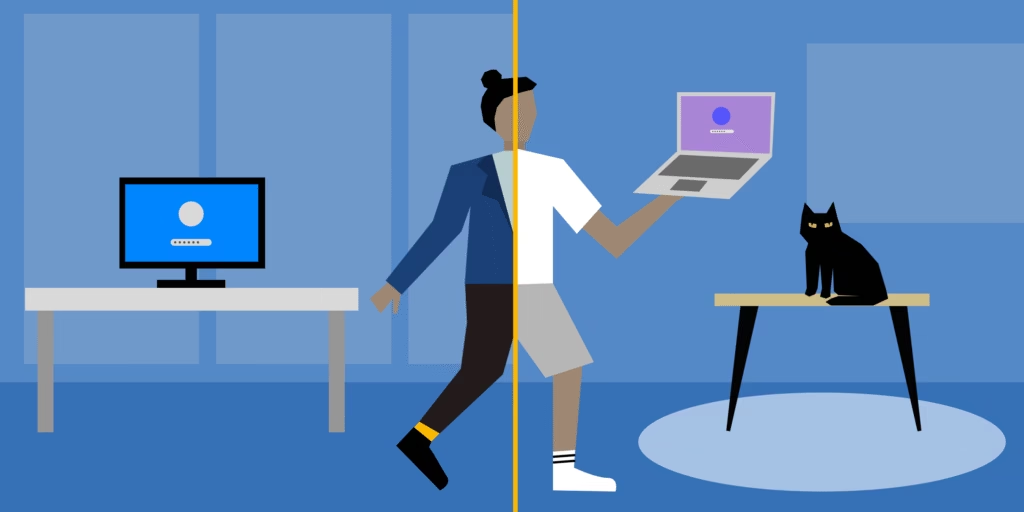
Companies use smart scheduling systems to ensure teams overlap on key collaboration days while enjoying the flexibility of working from anywhere the rest of the week. This balance improves productivity, reduces burnout, and increases employee satisfaction.
2. AI-Powered Collaboration and Productivity Tools
Artificial intelligence is revolutionizing remote work in 2025. Tools like AI meeting assistants, task automation platforms, and intelligent scheduling apps help professionals save time and stay focused.
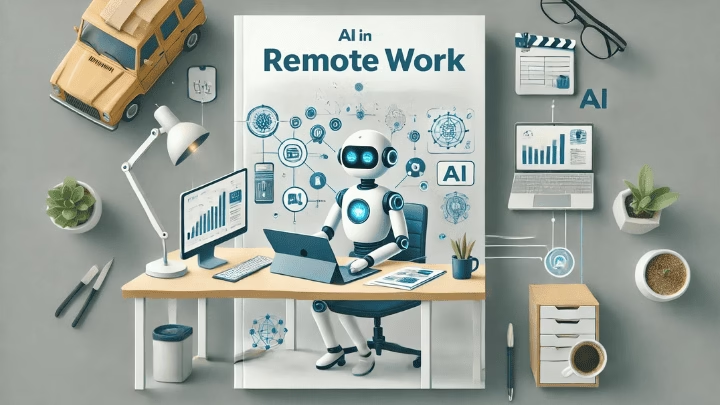
Instead of taking meeting notes manually, AI tools automatically transcribe, summarize, and generate action items. Project management platforms now predict deadlines and workload balance based on data, allowing teams to work smarter, not harder.
3. The Growth of Digital Nomadism
Remote work in 2025 isn’t just about working from home — it’s also about working from anywhere. Digital nomadism has gone mainstream as countries introduce remote work visas, coworking hubs, and affordable housing solutions for global professionals.
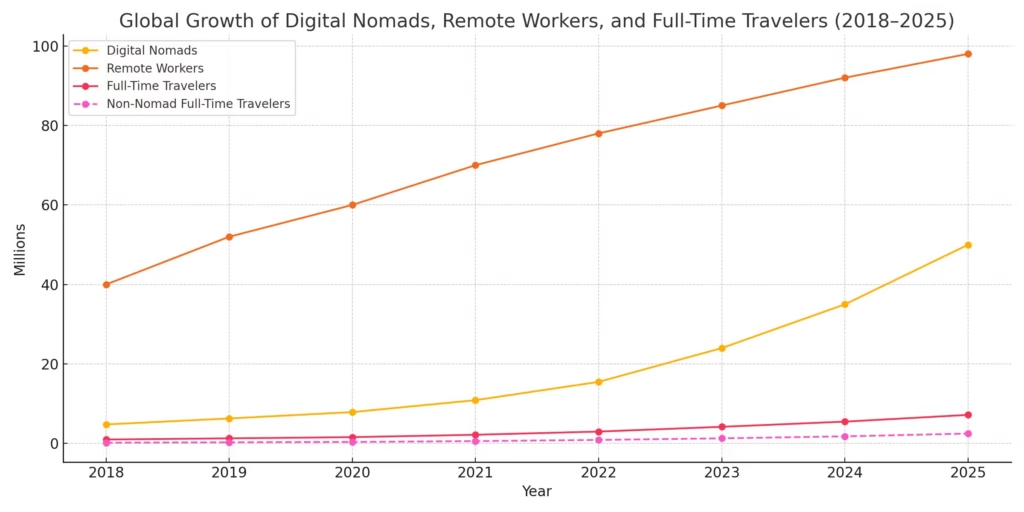
Platforms like NomadList and WorkFrom help workers find reliable Wi-Fi, safe destinations, and community events. The “work-from-anywhere” lifestyle is now a legitimate career choice, not just a niche trend.
4. Cybersecurity as a Top Priority
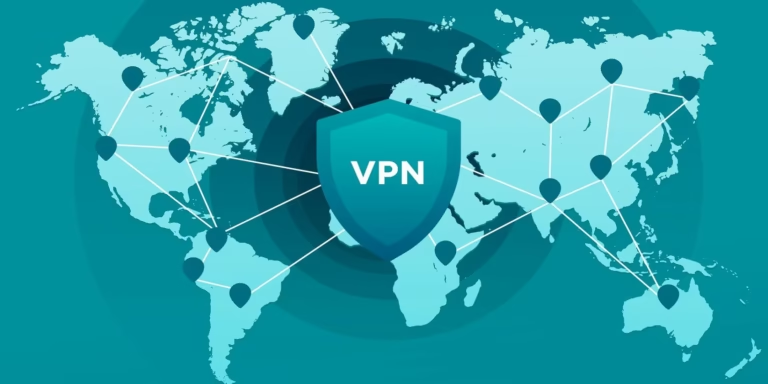
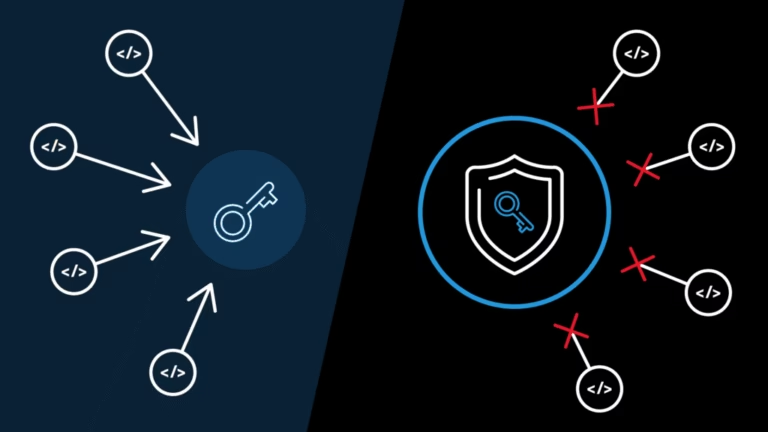
As remote work expands, so do cybersecurity threats. In 2025, companies are heavily investing in zero-trust security models, passwordless authentication, and secure VPN alternatives to protect data.
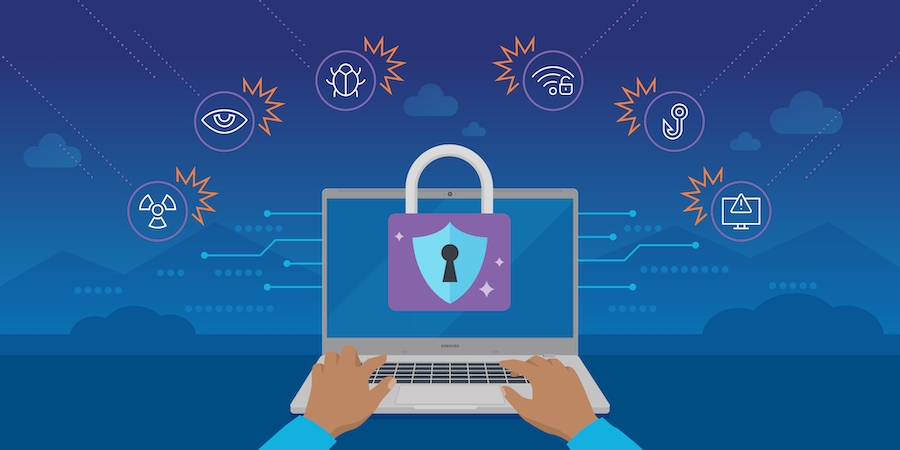
Employees are also trained to recognize phishing attempts, deepfake scams, and ransomware threats — all of which have become more advanced. For professionals, mastering basic cybersecurity practices is no longer optional, it’s essential.
5. Virtual Reality (VR) and Augmented Reality (AR) Workspaces
By 2025, VR and AR tools have moved beyond gaming and entered the workplace. Teams use virtual offices and 3D collaboration tools to meet, brainstorm, and design products in immersive environments.

For example, architects can walk through 3D models with their teams remotely, and global companies host “virtual headquarters” that simulate the real office experience. This trend is expected to keep growing as VR hardware becomes more affordable.
6. Focus on Mental Health and Work-Life Balance
Remote work in 2025 emphasizes not only productivity but also mental health. Companies now provide access to digital wellness platforms, therapy apps, and flexible work schedules.

The stigma around mental health has decreased, and professionals are encouraged to set boundaries, take regular breaks, and use focus apps that minimize digital distractions. Healthy employees equal sustainable long-term productivity.
7. Global Collaboration Without Borders
The future of remote work is also global. In 2025, professionals are working across borders more than ever before. Companies hire talent from multiple countries, creating diverse and multicultural teams.
Thanks to real-time translation tools, professionals can collaborate seamlessly despite language differences. This globalized workforce creates new opportunities but also requires adaptability and cultural awareness.

The future of remote work in 2025 is hybrid, AI-driven, global, and human-focused. For professionals, this means adapting to new technologies, strengthening cybersecurity habits, and prioritizing mental health.
Whether you’re a digital nomad exploring the world, an employee balancing hybrid schedules, or a leader managing a global team, understanding these trends will help you thrive in the evolving workplace.