The Rise of Deepfake Scams: How to Protect Yourself in 2025
In 2025, deepfake technology has grown far beyond its early novelty phase. What started as an experimental way to manipulate videos and images is now a serious cybersecurity threat affecting individuals, businesses, and even governments. Sophisticated AI tools can now produce video and audio content so realistic that even trained professionals may struggle to detect manipulation.
From fraudulent CEO video calls to impersonating friends and family, deepfake scams are designed to exploit trust and provoke immediate action. The rise of AI-powered communication platforms has made it easier than ever for scammers to reach victims worldwide. Understanding how these scams work, their evolution, and how to protect yourself is crucial in today’s digital landscape.
What Are Deepfake Scams?
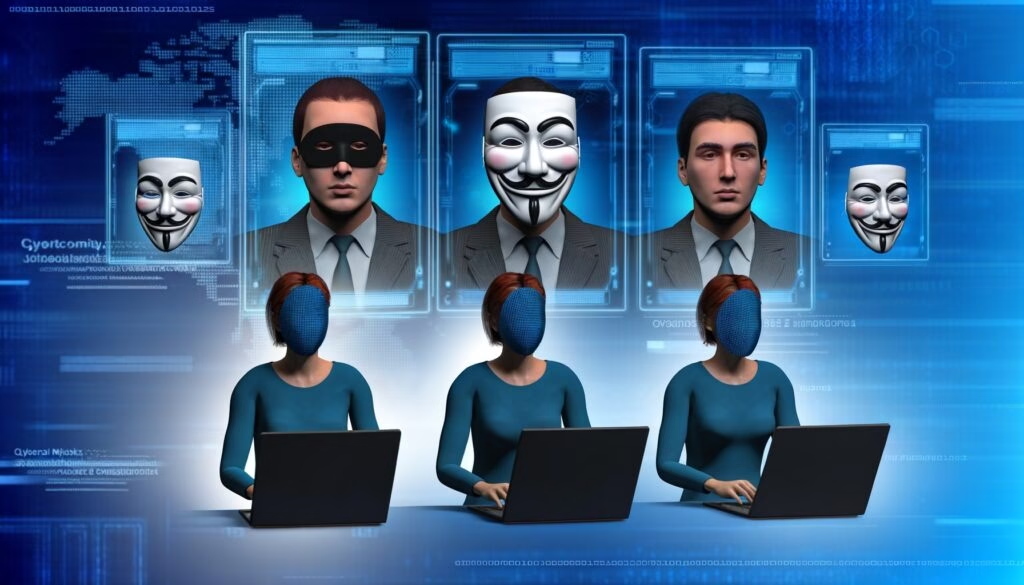
Deepfake scams leverage artificial intelligence to create hyper-realistic videos, audio recordings, or images that impersonate real people. These scams can target anyone, using information gathered from social media, public records, or even leaked data. By mimicking voice patterns, facial movements, and gestures, scammers make their content highly convincing.
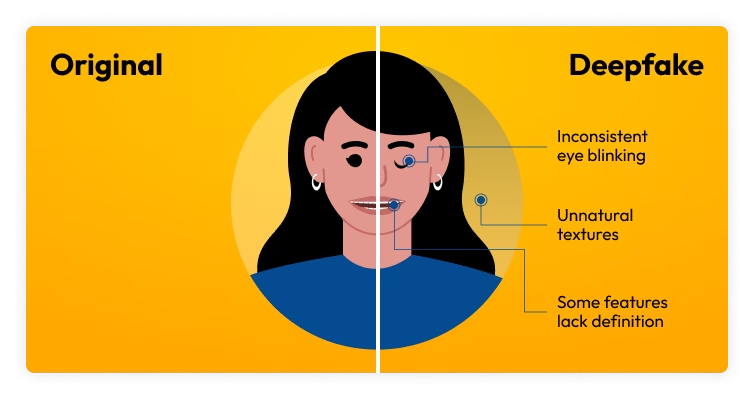
Unlike traditional phishing attacks, deepfake scams often involve multimedia elements, making them more difficult to detect. The goal is usually to extract money, sensitive information, or manipulate opinions. By 2025, these scams have become more personalized, increasing their effectiveness.
How Deepfake Scams Are Evolving in 2025
The evolution of deepfake scams in 2025 is alarming. AI algorithms can now generate videos that are almost indistinguishable from real footage, even fooling biometric verification in some cases. Social media platforms, video conferencing apps, and online banking systems are common targets.
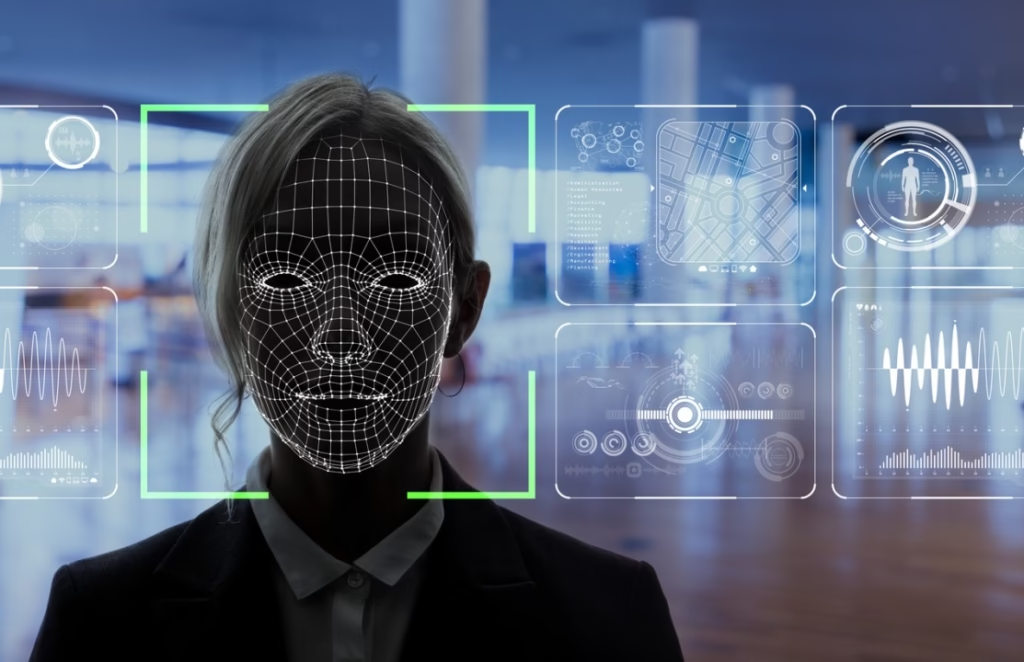
Key trends in 2025 include:
- Personalized Fraud: Scammers now research their targets to create highly convincing fake content.
- AI-Powered Deepfakes for Recruitment Scams: Fake interviews or job offers are being used to steal personal information.
- Financial Fraud: Videos of executives authorizing transactions are now AI-generated, bypassing traditional verification methods.
- Social Engineering on Steroids: Deepfakes are used to manipulate individuals into taking actions they would normally question.
As AI continues to advance, the risk of falling victim to a deepfake scam increases unless individuals and organizations adopt proactive measures.
Common Deepfake Scam Scenarios

- Financial Scams: Fake video calls from CEOs or managers instructing urgent money transfers.
- Identity Theft: Videos impersonating family or friends to gain passwords or banking info.
- Social Media Manipulation: Fake videos targeting followers, spreading misinformation, or harming reputations.
- Blackmail & Extortion: Scammers fabricate compromising content to coerce payments.
- Political Scams: Deepfake videos are used to influence elections or public decisions.
- Job & Recruitment Scams: Fake job interviews or AI-generated recruiter calls trick applicants into sharing sensitive data.
The personalization of these scams makes them highly effective, exploiting trust and urgency.
How to Protect Yourself from Deepfake Scams
- Verify Requests Through Multiple Channels: Always confirm unusual requests through trusted, independent channels before taking action.
- Enable Multi-Factor Authentication (MFA): MFA adds an extra layer of security to protect accounts from unauthorized access.
- Be Skeptical of Unexpected Media: Examine videos and audio for unnatural movements, lip-sync issues, or inconsistencies.
- Stay Informed About New Scam Techniques: Follow cybersecurity news and alerts to stay updated on emerging deepfake threats.
- Secure Personal Data Online: Limit the amount of personal information shared on social media to reduce targets for scammers.
- Educate Employees and Family Members: Awareness is key; hold training sessions for employees or family members on spotting deepfake scams.
- Use AI Detection Tools Regularly: Tools like Deepware Scanner, Sensity AI, and Microsoft Video Authenticator can help flag suspicious content before it’s acted upon.
- Establish Verification Protocols in Businesses: For corporate settings, implement verification procedures for any financial or sensitive request, especially over video calls.
Practical scenario: If you receive a video call from your CEO asking for an urgent fund transfer, always call back using a verified company number. Even a realistic video could be a deepfake.
Tools and Resources to Detect Deepfakes
- Deepware Scanner: Scans videos for manipulation signs.
- Sensity AI: Monitors social media content for deepfake media.
- Microsoft Video Authenticator: Flags suspicious videos in real-time.
- Reality Defender: Browser plugin identifying deepfake content online.
- Serelay: Verifies authenticity of media before sharing or publishing.
- Forensically: Free tool for checking inconsistencies in images.
Regular use of these tools, combined with vigilance and digital literacy, significantly lowers the risk of falling victim to deepfake scams.
Remember: Technology is a double-edged sword—while AI powers incredible innovation, it also empowers fraudsters. Staying informed and cautious is your strongest safeguard in 2025 and beyond.