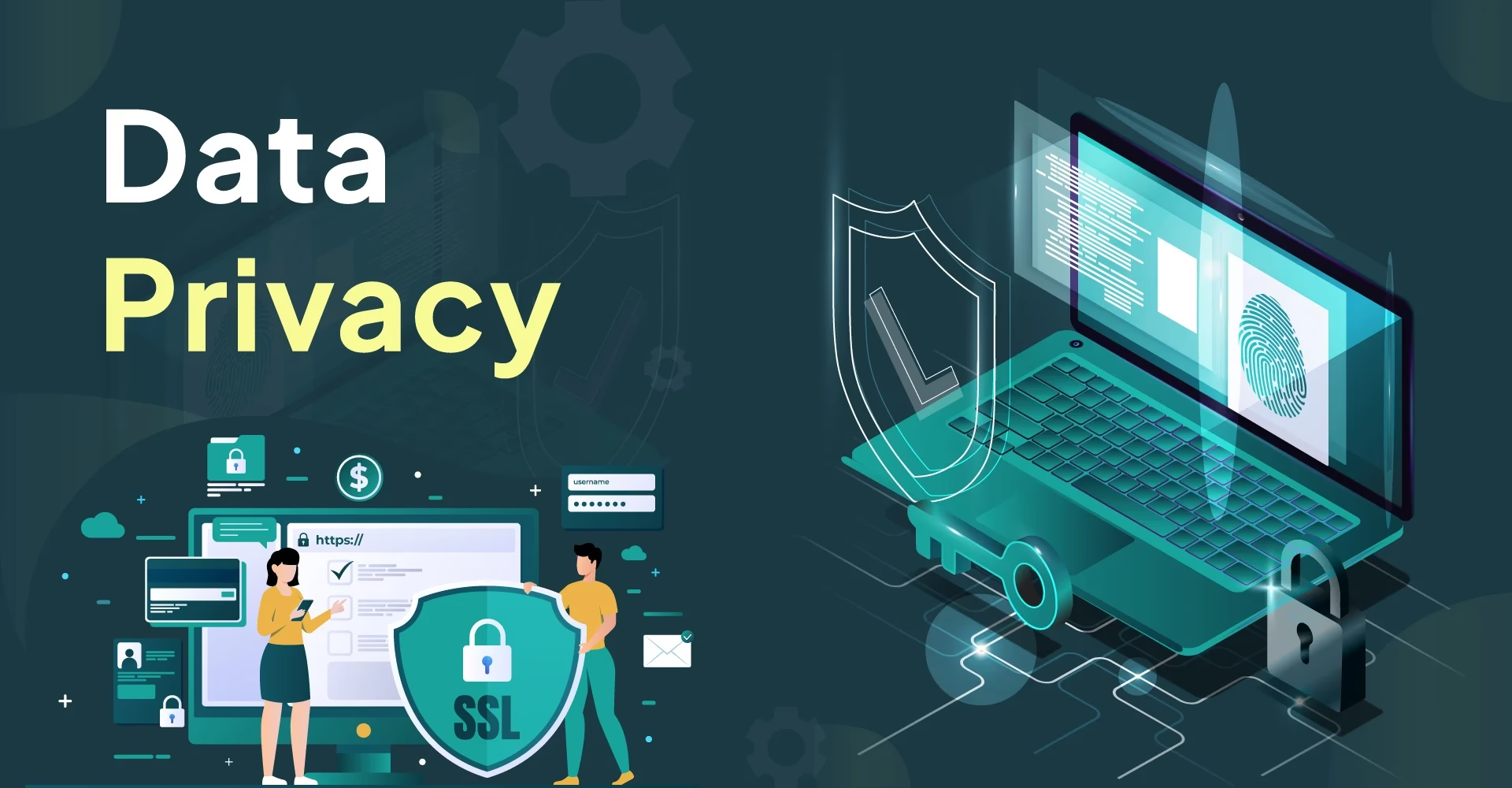
Data Privacy in 2025: How to Stay in Control
Why Data Privacy Matters More Than Ever
In today’s hyper-connected world, data is the new currency. Every click, search, and online purchase leaves a trail of personal information. By 2025, with the rapid expansion of AI, IoT, and digital services, the amount of personal data being collected has reached unprecedented levels.
But here’s the challenge: the more data we generate, the greater the risk of misuse, breaches, and surveillance. That’s why data privacy in 2025 is no longer just an option—it’s a necessity. In this article, we’ll explore the state of digital privacy, the risks, new regulations, and most importantly, how you can stay in control of your personal information.
The Current State of Data Privacy in 2025
The digital landscape has changed drastically. Companies rely on big data analytics and AI algorithms to predict behavior, personalize ads, and improve products. While convenient, this often means giving up more personal details than we realize.
Key developments shaping 2025:
- AI-driven data collection has made user profiling more advanced than ever.
- IoT devices (smart speakers, wearables, smart cars) constantly gather sensitive information.
- Governments worldwide are tightening regulations to combat data misuse.
- Cybercriminals are shifting to identity theft and data resale as lucrative markets.
Major Risks to Your Privacy
Protecting personal information in 2025 is challenging because threats are evolving. The biggest risks include:
- Data Breaches – Hackers exploit weak security in companies to steal millions of records.
- Phishing & Social Engineering – Attackers trick users into revealing login credentials.
- Surveillance Capitalism – Companies track users across platforms to monetize behavior.
- Deepfake & Identity Fraud – AI-powered scams misuse personal data for deception.
- Weak Security Practices – Many users still reuse passwords or neglect encryption.
Global Privacy Regulations in 2025
Governments and organizations have introduced stricter privacy laws to protect users:
- GDPR (Europe): Continues to set the gold standard for data rights.
- CCPA/CPRA (California): Expands consumer rights over how their data is used.
- China’s PIPL: Regulates how companies collect and store personal data.
- New Laws in 2025: Countries in Asia and Africa are rolling out privacy-first legislation.
For businesses, compliance is no longer optional—fines and penalties for violations are harsher than ever.
Best Strategies to Stay in Control of Your Data
🔹 Use Strong Authentication
Enable multi-factor authentication (MFA) or passwordless login methods to secure accounts.
🔹 Adopt Encrypted Services
Switch to secure messaging apps (Signal, Proton Mail) and VPNs to safeguard your online activity.
🔹 Limit Data Sharing
Review app permissions and disable unnecessary data access on smartphones and IoT devices.
🔹 Embrace Privacy Tools
Use ad-blockers, tracker blockers, and private browsers (like Brave or DuckDuckGo).
🔹 Regular Backups & Updates
Keep software updated and back up important files to secure cloud storage or encrypted drives.
Emerging Tools for Data Privacy in 2025
Several tools are leading the charge in helping users regain control:
- Proton Mail & Tutanota – Secure, encrypted email services.
- NordVPN & ProtonVPN – Protect browsing with advanced encryption.
- Brave Browser – Blocks trackers by default and rewards privacy.
- Apple iCloud Private Relay – Hides IP addresses from trackers.
- Passwordless Authentication Tools – Reduce risks from stolen credentials.
The Future of Data Privacy Beyond 2025
Looking ahead, we’ll see:
- AI-driven privacy assistants managing permissions automatically.
- Greater transparency from businesses on how they use personal data.
- Passwordless authentication becoming the global standard.
- Stronger IoT security protocols for smart homes and connected devices.
The message is clear: those who prioritize data privacy will enjoy safer, more secure digital experiences.
In 2025, data privacy is not a luxury—it’s a responsibility. With increasing threats from hackers, corporations, and even governments, protecting your personal data has never been more important.
By combining the right tools, privacy-first services, and smarter habits, you can take back control of your digital life. The future of the internet belongs to those who value security, transparency, and personal freedom.