The Rise of No-Code Tools in 2025: Build Without Coding
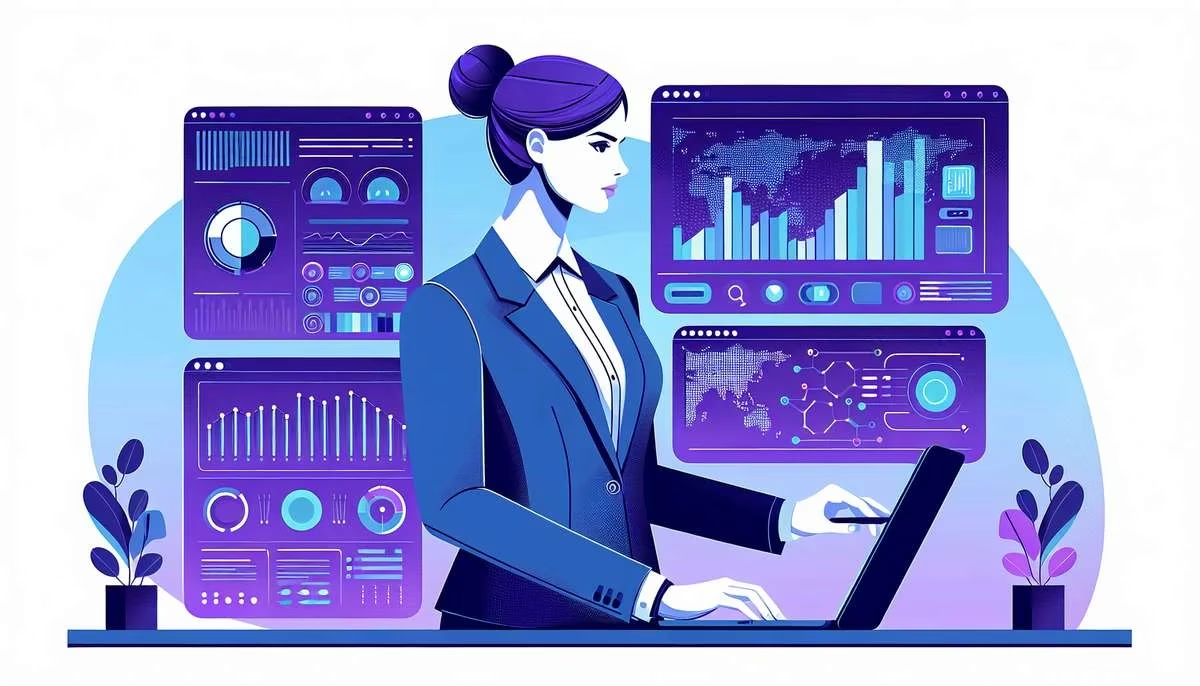
The way we build digital products has changed dramatically in the last few years. What once required advanced programming knowledge and months of development time can now be done in days—or even hours—thanks to the rise of no-code tools.
In 2025, no-code has moved far beyond simple website builders. Entrepreneurs, startups, and even large corporations are using no-code platforms to create apps, automate workflows, and launch businesses faster than ever before. But why is no-code exploding in popularity, and what does the future hold? Let’s explore.
What Are No-Code Tools?
No-code tools are platforms that allow users to build software, websites, apps, or workflows without writing a single line of code. Instead, they rely on drag-and-drop interfaces, pre-built templates, and visual editors to simplify development.
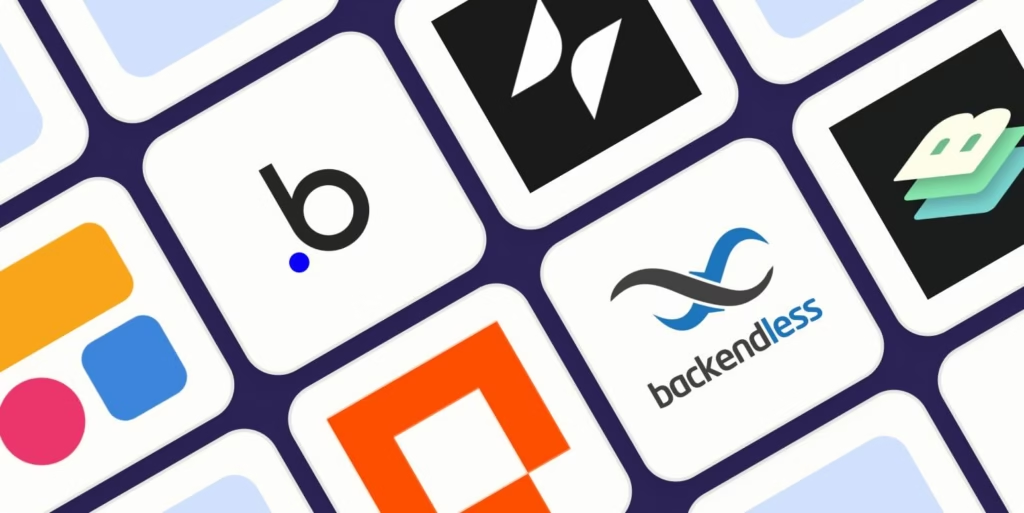
Some well-known no-code examples include:
- Webflow – website and landing page builder
- Bubble – full-stack web app builder
- Zapier/Make – automation platforms
- Glide – mobile app creator from spreadsheets
- Softr – web apps and client portals from Airtable/Google Sheets
By eliminating the coding barrier, these tools empower non-technical founders, marketers, and small businesses to bring their ideas to life.
Why No-Code Is Booming in 2025
There are several reasons no-code adoption has skyrocketed in 2025:
- Speed to Market – Businesses can launch MVPs (minimum viable products) in weeks instead of months.
- Cost Efficiency – No need to hire expensive developers for basic applications.
- Accessibility – Non-technical teams can create and maintain their own tools.
- AI + No-Code Integration – AI-driven features now auto-generate workflows, suggest UI designs, and even optimize app performance.
- Remote Work Shift – Distributed teams need fast, flexible tools to collaborate and innovate.
No-code isn’t just for small side projects anymore—it’s becoming a critical part of corporate innovation strategies.
Top No-Code Tools to Try in 2025
If you’re new to no-code, here are some of the best platforms leading the movement in 2025:
- Bubble – Build scalable web apps without backend coding.
- Webflow – Create professional-grade websites with full design control.
- Glide – Turn Google Sheets into fully functional mobile apps.
- Make (formerly Integromat) – Automate tasks across 1,000+ apps.
- Softr – Build portals, CRMs, and dashboards from Airtable data.
These platforms are continuously evolving, adding AI assistants, better integrations, and more customization to rival traditional development.
The Benefits of No-Code
- Empowers Innovation – Anyone with an idea can test it quickly.
- Lower Risk – Low investment needed to experiment with new products.
- Scalability – Many no-code apps can grow with your business needs.
- Collaboration – Teams across design, marketing, and operations can co-create tools.
Limitations of No-Code
Of course, no-code isn’t a magic bullet. There are still challenges:
- Customization Limits – Complex features may require traditional coding.
- Vendor Lock-In – You depend on the platform’s uptime and pricing.
- Scalability Ceiling – High-performance apps may eventually outgrow no-code.
For many businesses, a hybrid approach—starting with no-code, then scaling with custom code—works best.
The Future of No-Code in 2025 and Beyond
No-code is no longer just a “trend”—it’s a movement reshaping the way we build software. With AI integrations, real-time collaboration, and enterprise adoption, no-code is expected to grow into a $65 billion industry by 2027.
The next wave will likely focus on:
- AI-generated apps from plain text prompts
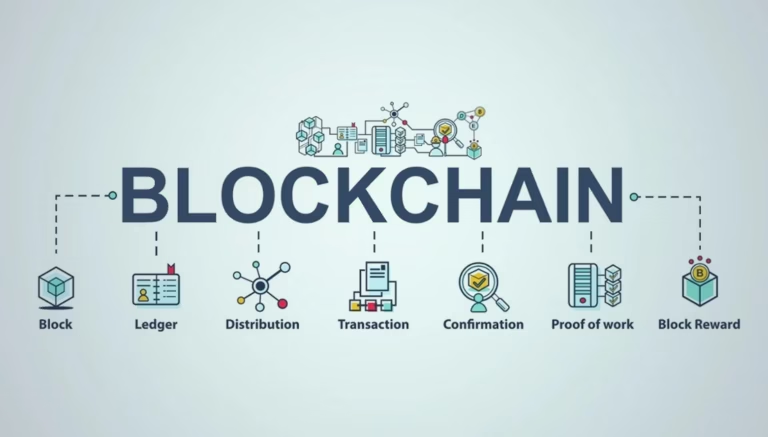
- Deeper integrations with blockchain and Web3
- Scalable no-code solutions for enterprises
- Cross-platform tools that combine no-code + low-code
Simply put: if you can imagine it, you can probably build it—without coding.
The rise of no-code tools in 2025 proves one thing: you no longer need to be a developer to be a creator. Whether you’re an entrepreneur building your first app, a business owner streamlining workflows, or a creative launching a side project, no-code platforms empower you to move faster and smarter.
💡 Want to dive deeper into tech, productivity, and the future of digital tools?
Check out more guides on Techlio Blog.


One Comment