

How to Stay Anonymous Online: VPNs, Proxies, and Beyond
In today’s digital age, maintaining online anonymity has become more critical than ever. With governments, corporations, and cybercriminals constantly tracking user behavior, individuals and businesses need to safeguard their privacy. Anonymity tools such as VPNs, proxies, and advanced encryption technologies are becoming essential in 2025. This article explores the best strategies to remain anonymous online, comparing different tools and explaining how to combine them for maximum security.
Why Online Anonymity Matters in 2025
The internet is no longer a safe place where you can browse freely without leaving traces. Every click, search, or login leaves behind a digital footprint. Tech companies gather data for advertising, governments monitor online activity, and hackers exploit security flaws.
For businesses, anonymity helps protect corporate communications, prevent espionage, and secure sensitive data. For individuals, it ensures private browsing, secure financial transactions, and protection against identity theft.
VPNs: The First Layer of Anonymity
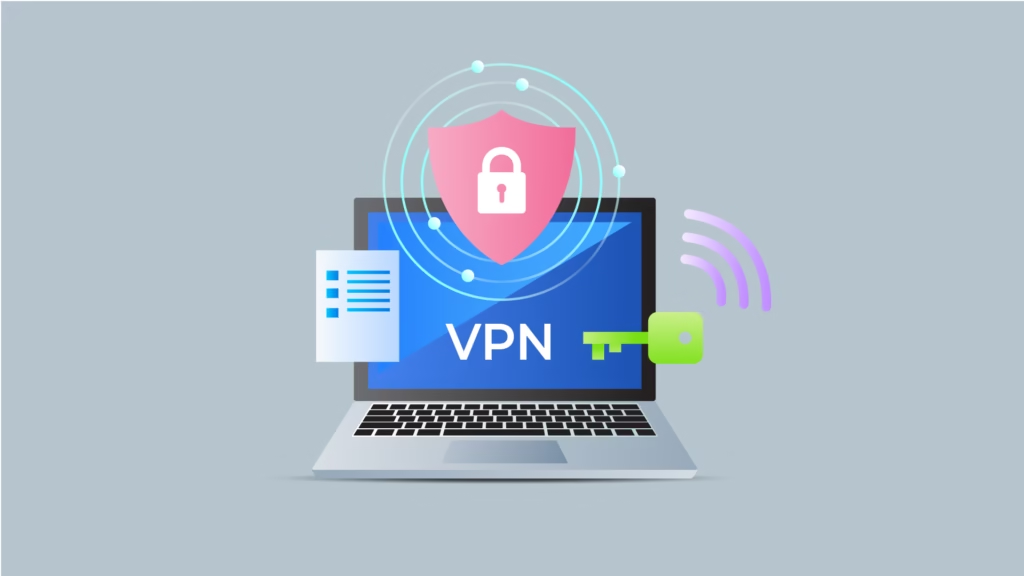
A Virtual Private Network (VPN) hides your IP address and encrypts your internet traffic, making it appear as though you are browsing from a different location. In 2025, modern VPNs also come with advanced features such as:
- Double VPN (Multi-hop): Routes your connection through two or more servers for extra security.
- Kill Switch: Disconnects internet access if the VPN drops, preventing leaks.
- Split Tunneling: Lets you choose which apps use VPN and which connect normally.
VPNs are particularly useful for bypassing geo-restrictions, securing remote work connections, and protecting sensitive browsing from ISPs or malicious third parties. However, VPN providers must be chosen carefully—reputable companies with no-log policies are essential.
Real-World Use Cases of VPNs
- Remote Work Security: Companies now rely heavily on VPNs to keep sensitive data safe when employees work from home.
- Bypassing Censorship: In countries with restricted internet access, VPNs allow citizens to access blocked content and express themselves freely.
- Streaming Without Borders: Many users choose VPNs to access region-locked streaming services.
However, it’s important to choose a reputable VPN provider. Free VPNs often log user data and sell it to advertisers, undermining the very privacy they claim to protect.
Proxies: A Simpler, but Limited Option
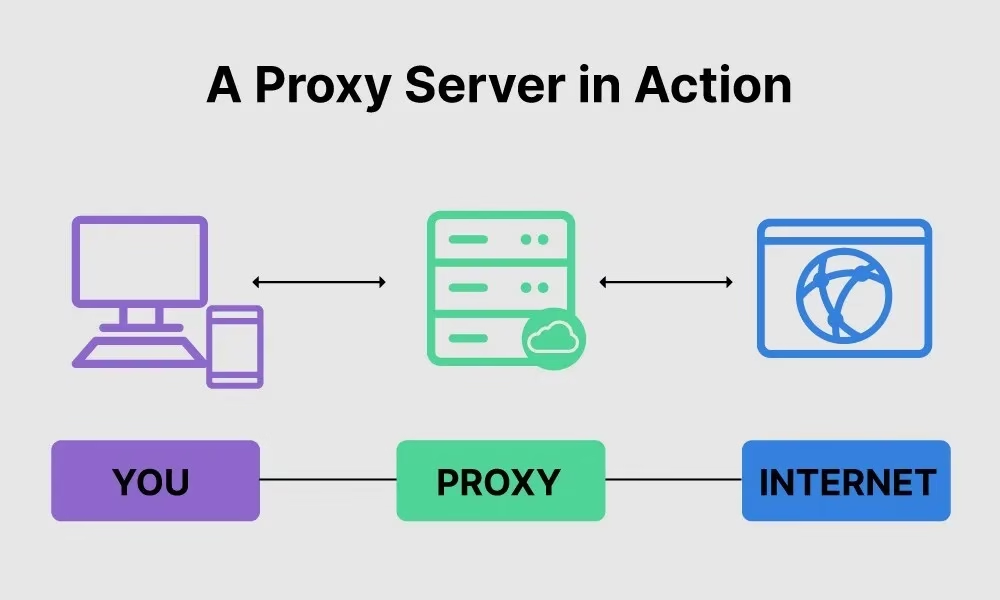
Proxies act as intermediaries between you and the websites you visit. They mask your IP address but do not provide encryption. While proxies are effective for bypassing simple restrictions and hiding location, they are not secure enough for sensitive transactions.
- HTTP Proxies: Good for browsing but not encrypted.
- SOCKS5 Proxies: Better for streaming and P2P but still lack strong encryption.
- Residential Proxies: Offer IPs that look like real home connections, reducing the chance of being blocked.
Businesses often use proxies for web scraping, ad verification, or regional content testing, while individuals might rely on them for quick anonymity. Still, proxies alone are insufficient for robust privacy.
Beyond VPNs and Proxies: Advanced Privacy Tools
While VPNs and proxies provide solid anonymity, advanced users may require stronger measures:
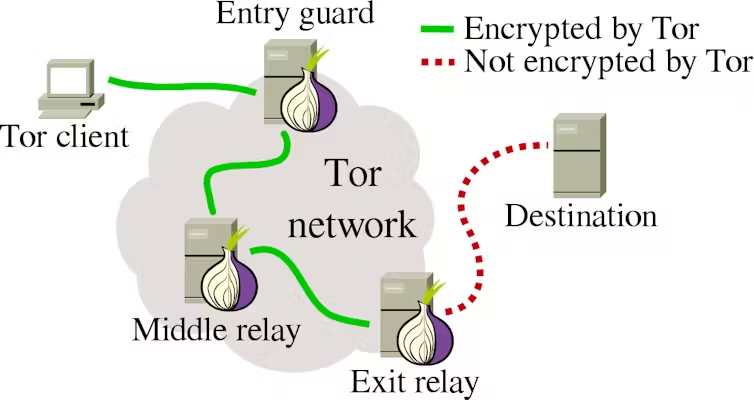
- Tor Browser: Routes traffic through multiple volunteer-run servers, ensuring deep anonymity, though it can be slower.
- Decentralized VPNs (dVPNs): Powered by blockchain technology, offering distributed and censorship-resistant privacy.
- Encrypted Messaging Apps: Tools like Signal and Element protect communications with end-to-end encryption.
- Zero-Knowledge Cloud Storage: Services that never have access to your encryption keys.
By combining these tools, individuals and businesses can build multi-layered protection, making it significantly harder for anyone to track or intercept data.
Best Practices for Staying Anonymous Online
Even with the best tools, anonymity depends on habits. Some key practices include:
- Use strong, unique passwords with a password manager.
- Enable multi-factor authentication (MFA) everywhere possible.
- Avoid using personal accounts (Google, Facebook) while trying to stay anonymous.
- Avoid using personal accounts (Google, Facebook) while trying to stay anonymous.
- Combine tools—a VPN plus Tor or a proxy chain adds extra protection.
Protecting Your Privacy in 2025 and Beyond
The future of the internet will likely bring even more sophisticated surveillance and data collection. Artificial Intelligence is already being used to analyze browsing patterns, predict user behavior, and even detect VPN usage.
This makes adopting strong privacy strategies a necessity rather than an option. A single tool is not enough; true anonymity comes from layered security—combining VPNs, proxies, encryption, and privacy-first platforms. Whether you are an individual concerned about personal privacy or a business safeguarding corporate assets, investing in online anonymity in 2025 is essential.
Final Thoughts
Staying anonymous online is no longer about avoiding targeted ads—it’s about safeguarding your identity, finances, and freedom. VPNs provide strong encryption, proxies offer flexibility, and advanced tools like Tor and dVPNs enhance resilience against surveillance. By combining these solutions with smart digital habits, you can maintain control over your digital footprint in 2025 and beyond.





One Comment